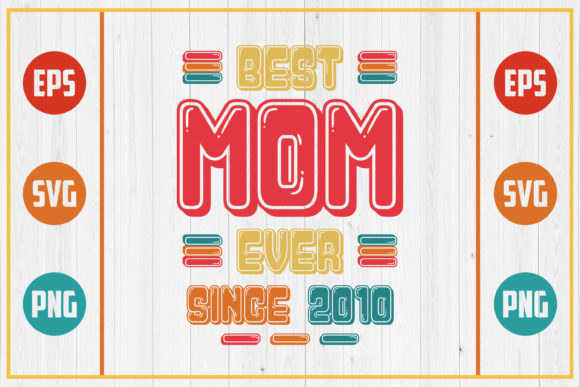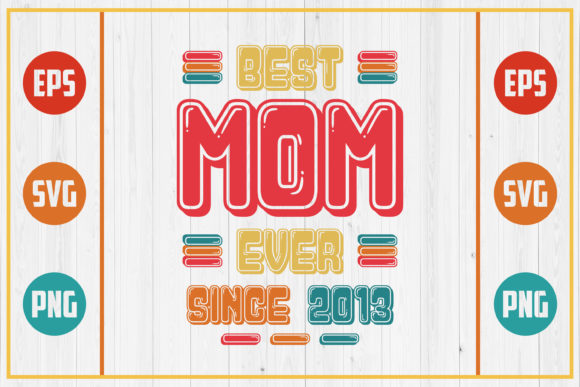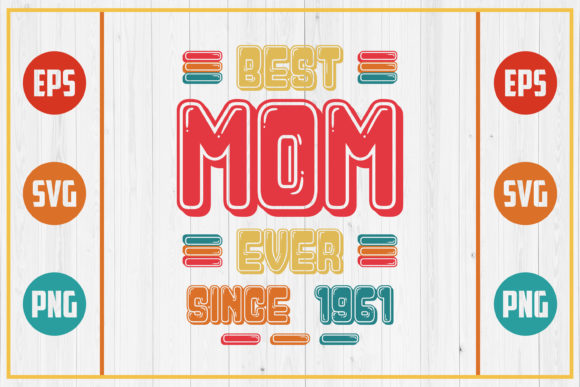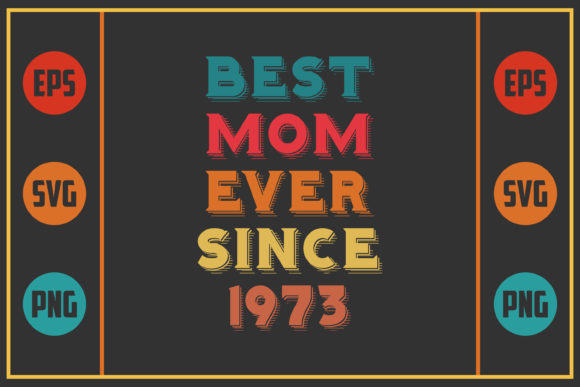
Best Mom Ever Since 1963: A Designer’s Honest Review
First Impressions: A Nostalgic Touch with Timeless Charm
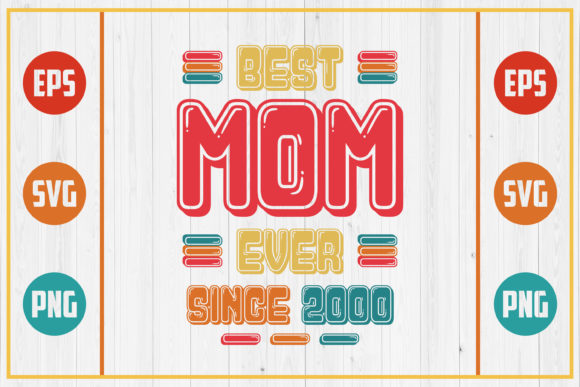
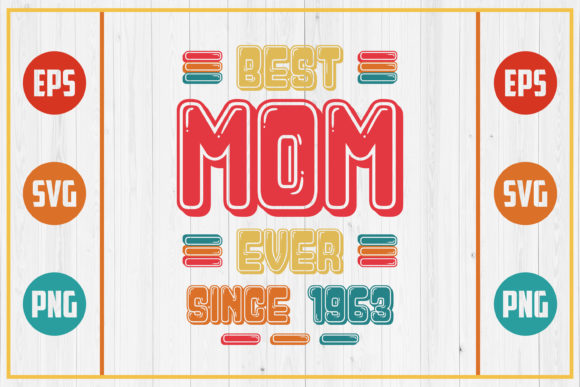
When I first opened the Best Mom Ever Since 1963 embroidery design file, I was struck by its warm, vintage-inspired aesthetic. The layout feels like a love letter to the past — clean typography, a subtle floral accent, and a balanced composition that doesn’t overwhelm the eye. It’s the kind of design that instantly feels personal and meaningful, perfect for a range of embroidered keepsakes.
From a designer’s perspective, this design reads as a confident blend of simplicity and elegance. The font choice is classic without being overused, and the year adds a storytelling element that makes it ideal for custom gifts or boutique-style merchandise. Whether stitched on a tote bag or a baby onesie, this design carries a soft, heartfelt tone that resonates well with gift buyers and sentimental customers.
Real-World Use: From Sweatshirts to Baby Clothes
I recently worked on a custom embroidered tote bag for a client’s Mother’s Day collection, and I considered using Best Mom Ever Since 1963 as the centerpiece. The design’s moderate size and vertical layout made it a natural fit for the tote’s front panel. After a quick test stitch on cotton canvas, I was pleased with how cleanly the lines translated in thread.
It also holds up well on knit fabrics like sweatshirts. The satin stitch outlines are crisp, and the fill stitches maintain their shape without distortion. I tested it on a medium-weight hoodie, and the design kept its integrity even after a light stretch test. For baby clothes, where detail and comfort are key, this design performed admirably — no sharp edges or rough textures that could irritate sensitive skin.
Where to Use It — and Where to Be Careful
This embroidery design shines in a variety of applications: tote bags, tea towels, aprons, and even embroidered patches. It works especially well for personalized gifts and small shop products that need a touch of emotional appeal. The nostalgic vibe makes it a hit for Mother’s Day, birthdays, or as a boutique gift item.
However, there are some practical considerations. On dark fabrics, the light thread colors may require a backing or underlay to prevent show-through. I’d also be cautious when stitching on thin or stretchy materials — the satin stitches could pucker if not stabilized properly. The floral accents are delicate, so on textured or nubby fabrics like burlap or terry cloth, some of the finer details may get lost.
If you’re planning to use it on curved surfaces like baseball caps, I recommend testing the placement and adjusting the hoop size accordingly. Also, if you’re digitizing this for commercial embroidery machines, double-check how the design scales — shrinking it too small might compromise the legibility of “Since 1963” at the bottom.
Visual Impact and Customer Perception
What makes Best Mom Ever Since 1963 stand out isn’t just its design — it’s the emotional weight it carries. As a designer, I know that the right embroidery can elevate a handmade product from “just a gift” to “a keepsake.” This design does that effortlessly.
From a visual appeal standpoint, it offers a polished, professional finish that enhances the perceived value of any product it’s stitched onto. Whether used in a custom sweatshirt or a personalized pillow, it reads as thoughtful and intentional — a big plus for Etsy sellers and craft entrepreneurs trying to build brand trust and repeat customers.
I’ve found that designs with a personal touch like this one tend to sell better online, especially when paired with mockups that show the finished product in use. It’s also a strong candidate for digital product previews — its clean lines and nostalgic charm make it easy to visualize across different items.
Design Notes for Embroidery Professionals
If you’re planning to use Best Mom Ever Since 1963 in your own embroidery projects, here are a few things I recommend checking before you stitch:
- Test on scrap fabric first — especially if you’re using an unfamiliar material or a textured fabric.
- Check thread color contrast, especially on dark backgrounds. You may need to adjust colors for better visibility.
- Review stitch density — too tight and the fabric may pucker, too loose and the design may look sparse.
- Confirm hoop size compatibility with your machine, especially if you’re resizing the design.
- Inspect small details like the floral accents and the year — these can be tricky on low-quality digitization or thin stabilizers.
- Try black and white mockups to see how the design reads without color influence.
- Compare light and dark fabric backgrounds to ensure the design works across your product line.
- Use proper stabilizer — especially for stretchy or thin materials like baby onesies or lightweight tees.
- Verify licensing before selling any finished items or digital embroidery files — the product description mentions a digital download, so confirm usage rights for commercial applications.
Final Thoughts: A Versatile Design with Emotional Appeal
Overall, Best Mom Ever Since 1963 is a well-balanced embroidery design that blends style and sentiment. It’s versatile enough for a wide range of projects — from boutique apparel to personalized baby gifts — and it brings a level of emotional resonance that’s hard to replicate with generic designs.
For small business owners, Etsy sellers, and craft entrepreneurs, this is the kind of design that can help differentiate your offerings and build a more personal connection with your audience. Whether you’re creating custom gifts or digital embroidery files for resale, this design has the potential to become a staple in your product lineup.
Just remember to test thoroughly, consider fabric types and stabilizer needs, and always review licensing terms before using it in commercial work. With a little attention to detail, Best Mom Ever Since 1963 can become a go-to asset in your creative toolkit.