Best Mom Ever Since 1973: A Designer’s Honest Review for Real Embroidery Use
First Impressions: A Nostalgic, Timeless Touch
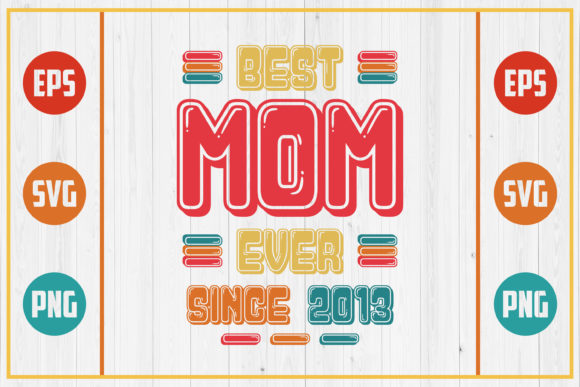
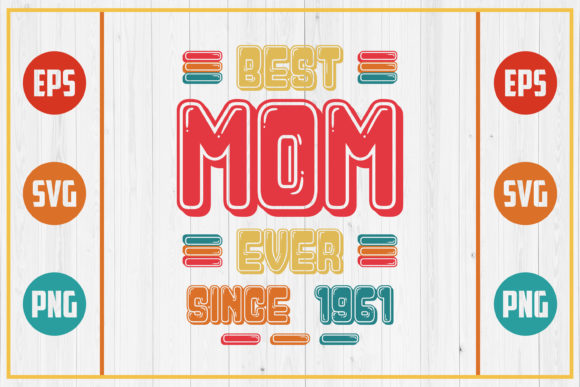
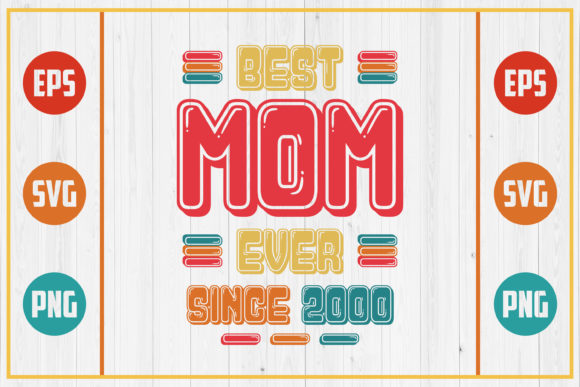
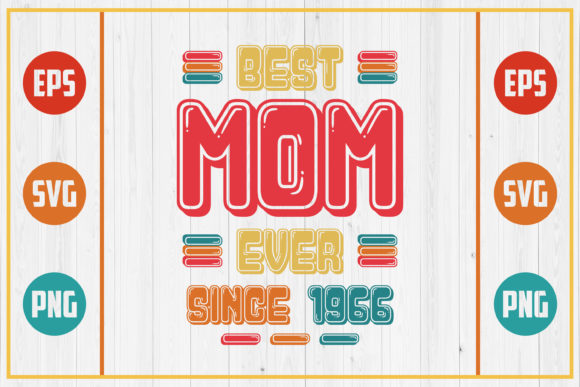
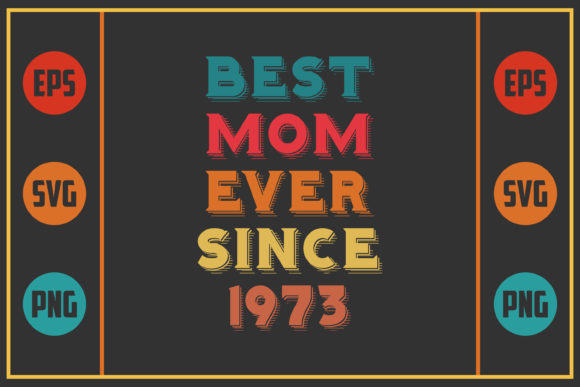
Opening up the Best Mom Ever Since 1973 design file, the first thing that strikes me is the warm, vintage-inspired aesthetic. It’s not overly flashy or modern, which makes it incredibly versatile for a wide range of embroidery projects. The layout is clean, centered, and features a classic typographic style with a small decorative flourish that adds just the right amount of charm without being distracting.
From a design standpoint, this piece feels like it was made for sentimental, handcrafted gifts. It carries a soft, approachable personality that’s perfect for baby items, personalized apparel, or boutique-style tote bags. The font choice is legible but still has a hand-drawn feel, making it ideal for both machine embroidery and digital mockups.
Real-World Use: Where Does It Shine?
I recently tested this design on a custom embroidered tote bag and a baby onesie, two very different applications that gave me a solid sense of its flexibility. On the tote, it stitched out beautifully—clean lines, balanced spacing, and a nice flow that complements the natural drape of cotton canvas. The satin and fill stitches held up well, and the overall density felt just right for a lightweight design that doesn’t overpower the fabric.
On the baby onesie, the design scaled down nicely without losing clarity. The year “1973” remained readable, which is always a concern when shrinking lettering. I used a lightweight stabilizer and a medium-weight knit, and the result was a soft, professional finish that felt appropriate for a personalized gift or boutique item.
Other great applications I can see for Best Mom Ever Since 1973 include:
- Sweatshirts and hoodies for a cozy, sentimental look
- Pillow covers for nursery or kitchen decor
- Holiday or birthday cards with embroidered elements
- Patches for jackets or bags
- Aprons for a personalized touch in a gift shop or Etsy listing
Where to Be Cautious: Fabric and Placement Matter
Like any embroidery design, Best Mom Ever Since 1973 isn’t a one-size-fits-all solution. It performs best on medium to heavy-weight woven fabrics like cotton, denim, or twill. I wouldn’t recommend it for ultra-stretchy knits without proper stabilizer support, especially if you’re stitching on a curved surface like a baseball cap.
One area to watch carefully is the placement on small hoop sizes. If your machine has a limited hoop window, you may need to adjust the design size or simplify the layout slightly to ensure all elements stitch cleanly. Also, if you’re using dark fabrics, test the thread contrast first—some of the finer details can get lost if the thread blends too much with the background.
I also noticed that while the design holds up well on flat surfaces, it might require some extra attention when applied to layered garments like thick hoodies or quilted blankets. The stitch density is balanced, but dense areas like the lettering base can create slight puckering if the stabilizer isn’t properly applied.
Visual Impact and Marketability
From a visual design perspective, this embroidery file has strong emotional appeal. It’s the kind of design that resonates with buyers looking for a personalized, heartfelt touch—perfect for Mother’s Day, birthdays, or as a keepsake item. The nostalgic theme also gives it a timeless quality, which is a big plus for sellers looking to create evergreen listings on Etsy or at craft fairs.
As a small business owner or Etsy seller, using Best Mom Ever Since 1973 in your product lineup can elevate your handmade presentation. It adds a level of customization that customers love, especially when paired with mockups that show the design in use—like a tote bag with a coffee cup or a onesie with a matching bib.
For digital product sellers, this SVG file is a solid addition to your design assets. Because it’s compatible with Cricut, Silhouette, and Adobe software, it opens the door for both physical and digital use, which is a big plus for creative entrepreneurs.
Designer Notes: Practical Tips for Best Results
If you’re planning to use Best Mom Ever Since 1973 in your next project, here are some practical tips based on my experience:
- Test on scrap fabric first. Especially if you’re using an unfamiliar fabric type or thread color.
- Check thread color contrast. Some subtle design elements may disappear if the thread blends too much with the fabric.
- Review stitch density. Adjust if needed, especially for layered or stretchy materials.
- Confirm hoop size compatibility. Don’t assume the design fits your machine’s hoop without checking.
- Inspect small details. Zoom in on the file to ensure lettering and small flourishes will stitch cleanly.
- Try black and white mockups. This helps visualize how the design will look in different color variations.
- Compare light and dark fabric backgrounds. Some elements may need color tweaks for optimal visibility.
- Use proper stabilizer. Lightweight tear-away works well for most applications, but heavier fabrics may require cut-away or wash-away.
- Check licensing terms. Since this is a digital embroidery file, make sure it’s approved for commercial use if you plan to sell finished products.
Final Thoughts: A Versatile Design for Sentimental Projects
Overall, Best Mom Ever Since 1973 is a well-balanced, emotionally resonant design that works well across a variety of embroidery applications. It’s not overly complex, which makes it accessible for hobbyists and small business owners alike, but it still carries enough visual interest to stand out in a product lineup.
Whether you’re creating custom apparel, personalized gifts, or digital mockups for your shop, this design brings a nostalgic warmth that customers appreciate. Just be mindful of fabric choices, hoop size, and contrast testing, and you’ll be rewarded with a clean, professional finish that adds value to your handmade products.